Indian Floral Embroidery Borders Review
As a designer who has spent years navigating the fine line between artistic vision and machine reality, I approach every new machine embroidery design with a mix of excitement and skepticism. When I first opened the file for Indian Floral Embroidery Borders, I wasn't just looking at pixels; I was visualizing thread tension, fabric puckering, and the final emotional impact on a customer. This specific design promises to add a rich cultural touch to projects, featuring intricate botanical motifs and ornamental details that reflect deep aesthetic beauty. But does it translate from screen to stitch as effectively as it looks on paper? Let's dig into how this embroidery file performs in real-world scenarios.
The First Impression: Mood and Visual Weight
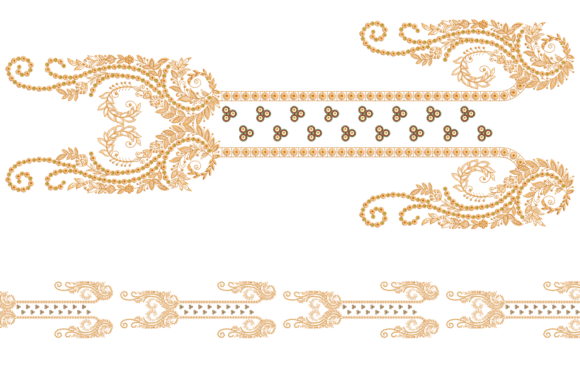
The immediate feeling when viewing Indian Floral Embroidery Borders is one of elegance and heritage. The layout isn't just a random scatter of flowers; it feels curated, mimicking the traditional patterns found in Indian textiles. The botanical motifs are dense but breathable, suggesting a balance between satin stitch outlines and fill stitch areas that will catch the light beautifully. For a craft business owner or an Etsy seller looking to elevate their brand, this design offers a level of sophistication that generic clip art simply cannot match. It screams "handmade luxury" even before the needle hits the fabric.
However, the intricacy is a double-edged sword. The ornamental details are sharp, which means they demand precision. If you are planning to use this for a quick, low-cost item, you might find the stitch count higher than expected. This is a design meant to be seen up close, where the texture of the thread can truly shine.
A Real-World Test: The Custom Tote Bag Project
To truly understand the utility of Indian Floral Embroidery Borders, I imagined a specific project: creating a limited-run collection of canvas tote bags for a local boutique. The goal was to create a product that felt both modern and timeless. I visualized placing this border along the bottom hem of a natural beige tote bag. The contrast of dark teal and gold thread colors against the raw canvas would make the floral elements pop without overwhelming the user.
In this scenario, the design acts as a frame, grounding the bag and giving it a finished, professional look. Unlike a centered logo that can sometimes feel stiff, a border adds movement. As I mentally stitched out the design, I considered how the stitch density would hold up against the heavy weave of canvas. The botanical motifs are robust enough that they wouldn't get lost in the texture, but delicate enough to maintain their charm. For an Etsy seller or a small shop owner, this kind of visual appeal directly translates to higher perceived value. Customers buying a personalized gift or a boutique product want to see effort, and the complexity of these borders signals exactly that.
Navigating Fabric Challenges and Placement
While the potential is high, Indian Floral Embroidery Borders requires careful consideration regarding your substrate. I strongly advise against using this design on thin or highly stretchy fabrics like jersey knit without significant reinforcement. The density of the floral elements could cause puckering on lightweight materials, ruining the drape of a garment. Instead, this design shines on structured items like custom apparel such as denim jackets, heavy cotton sweatshirts, or sturdy pillow covers.
If you are considering this for baby embroidery, ensure the fabric is stable. A baby blanket or a sturdy onesie works well, but avoid very soft, flimsy muslin where the stitches might pull. For caps or curved surfaces, the border needs to be tested carefully. The intricate corners of the botanical motifs might distort if the cap panel is too tight. Always check your hoop size compatibility before committing. If the design is too long for your hoop, you may need to segment it, which can introduce alignment errors that ruin the seamless flow of the pattern.
Dark Fabrics and Thread Contrast
One area where this design demands attention is color selection on dark backgrounds. The ornamental details rely heavily on definition. If you use a dark brown thread on black denim, those beautiful botanical motifs will vanish. To maintain the visual appeal and clarity essential for a high-quality finished product, you must prioritize high-contrast thread colors. Metallics or bright whites work wonders here, enhancing the cultural richness of the design. Before running a full batch, always test the design on scrap fabric that matches your final material to verify visibility.
Commercial Viability and Brand Consistency
For creative entrepreneurs and digital product sellers, Indian Floral Embroidery Borders serves as a powerful asset for brand consistency. Whether you are selling digital embroidery files or physical goods like embroidered patches, this motif creates a recognizable signature. Imagine a series of holiday gifts where each item features a variation of this border—tea towels, aprons, and napkins. The cohesive look builds trust with your customers, signaling a professional craft business rather than a hobbyist operation.
However, commercial success hinges on quality control. Because the design is detailed, any misalignment or skipped stitch is immediately noticeable. This makes it crucial to use the proper stabilizer. Tear-away stabilizers might not provide enough support for the dense fill areas; a cut-away or water-soluble topping is often necessary to keep the satin stitches smooth and prevent bird-nesting. Investing time in perfecting the setup ensures that your commercial embroidery projects meet the high standards your clients expect.
Practical Designer Notes for Success
Before integrating Indian Floral Embroidery Borders into your workflow, follow these practical steps to ensure a flawless result:
- Test on Scrap Fabric: Never skip the test run. Stitch the design on the exact fabric and stabilizer combination you plan to use for the final project.
- Verify Hoop Size: Confirm that the design fits comfortably within your hoop without stretching the fabric, which distorts the shape of the floral motifs.
- Check Licensing: If you are selling the finished products or the digital embroidery file itself, review the license terms. Ensure you have the right to sell items made with this design commercially.
- Mockup in Black and White: Create a printable mockup in grayscale to assess contrast and density before spending expensive thread.
- Inspect Small Details: Zoom in on the ornamental details. Are there tiny gaps that might let the fabric show through? Adjustments in the software might be needed.
- Consider Washing Durability: Since this design is likely used on items like kitchen towels or clothing that require frequent washing, ensure the stitching is secure enough to withstand agitation.
Final Thoughts on Value and Execution
Indian Floral Embroidery Borders is more than just a decorative element; it is a statement piece that can transform a simple item into a treasured keepsake. Whether you are crafting a personalized gift for a wedding, creating merchandise for a small shop, or designing holiday embroidery collections, this design offers a depth of character that resonates with buyers. It bridges the gap between traditional craftsmanship and modern machine efficiency.
However, its beauty comes with responsibility. It requires a skilled hand, the right materials, and a keen eye for detail. If you respect the process and take the time to prepare correctly, the result will be a stunning finished product that showcases the true potential of machine embroidery design. For designers willing to put in the effort, this border is a worthy addition to their library of design assets, ready to bring a touch of cultural richness to countless future projects.