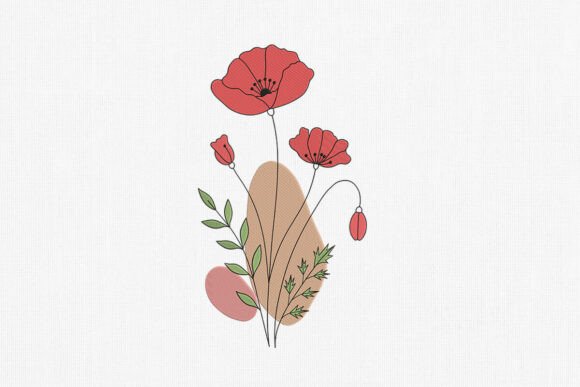
Minimalist Poppy Flower Embroidery Art Review
As a professional embroidery designer who has spent years navigating the delicate balance between artistic vision and machine limitations, I approach every new machine embroidery design with a critical eye. The market is flooded with digital assets, but finding one that truly translates well from a screen to a physical fabric can be challenging. Recently, I downloaded the Minimalist Poppy Flower Embroidery Art from Creative Fabrica to test its viability for an upcoming collection of handmade goods. This review details my honest experience evaluating this specific embroidery file for real-world commercial projects.
First Impressions: A Modern Botanical Touch
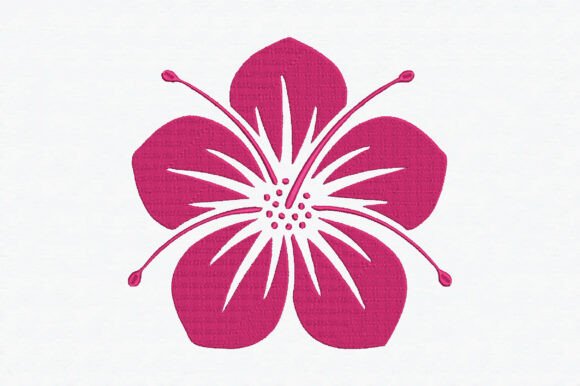
Upon opening the digital embroidery file, the visual impact was immediate. The description promises a soft and modern botanical touch, and the preview images deliver exactly that. Unlike traditional poppy designs that often rely on heavy shading or complex gradients, this Minimalist Poppy Flower Embroidery Art focuses on clean lines and elegant simplicity. The delicate red poppy flowers are rendered with a sense of lightness that feels contemporary rather than kitschy.
For designers looking to elevate their brand aesthetic, this design stands out within the Bouquets category. It avoids the cluttered look of overly detailed floral arrangements. Instead, it offers a refined silhouette that suggests movement and grace. The color palette, primarily featuring the iconic red of the poppy against implied negative space, creates a striking contrast that is essential for making a statement on various textiles. My initial assessment was that this design would be perfect for clients seeking a sophisticated, understated look rather than a loud, busy pattern.
Performance in Real-World Projects
The true test of any Creative Fabrica embroidery asset lies in how it performs under the needle. I considered several potential applications for the Minimalist Poppy Flower Embroidery Art before committing to a final project. Given its minimalist nature, it is exceptionally versatile. I envision this design working beautifully on custom apparel, particularly on the chest area of a sweatshirt or as a small accent on a denim jacket. The lack of excessive density means it will sit flat and comfortable against the skin, a crucial factor for wearable items.
I also evaluated its suitability for home decor and accessories. A tote bag design featuring this poppy motif would appeal to eco-conscious shoppers looking for stylish, reusable bags. Similarly, placing this design on a kitchen towel or an apron adds a touch of charm without overwhelming the utility of the item. For those creating nursery decor, the gentle curves of the flower make it an excellent choice for baby blankets or pillow covers, provided the thread colors are adjusted to softer pastels if needed. Even as an embroidered patch, the defined edges of the minimalist style ensure the shape remains recognizable when cut out.
Considerations for Fabric and Hooping
While the design is promising, practical execution requires careful planning. One of the first things I noted was the importance of checking the hoop size. Minimalist designs often work best in smaller hoops, such as 4x4 or 5x7 inches, which allows for quick stitching and less fabric distortion. However, you must verify the specific dimensions in the product details before purchasing. If the design is too large for your intended garment, scaling it down can sometimes compromise the integrity of the stitches.
Another critical factor is the stitch density. In my experience, dense areas can cause puckering, especially on stretchy fabrics like jersey or knit materials used for sweatshirt embroidery. The Minimalist Poppy Flower Embroidery Art appears to utilize a mix of fill stitch and perhaps some running stitch outlines to define the petals. To ensure a smooth finish, using the proper stabilizer is non-negotiable. For lightweight fabrics, a tear-away stabilizer might suffice, but for heavier items like tote bags or towels, a cut-away stabilizer will provide the necessary support to prevent sagging over time.
If you plan to use this on dark fabrics, the thread colors become even more important. The vibrant red of the poppy will pop against black or navy, but you may need to consider a backing layer or a different color scheme to ensure visibility. Always run a test on scrap fabric first. This simple step allows you to check how the machine handles the turns and corners of the flower, ensuring there are no gaps in the fill or loose threads that could unravel during washing.
Impact on Product Value and Brand Identity
For Etsy sellers and small business owners, the quality of your design directly influences customer trust and perceived value. Using a high-quality asset like Minimalist Poppy Flower Embroidery Art can significantly enhance the presentation of your handmade product. In a crowded marketplace, a clean, well-executed design signals professionalism. It tells the buyer that attention to detail was paid not just to the stitching, but to the selection of the artwork itself.
This design fits seamlessly into a cohesive brand identity focused on modern minimalism. Whether you are selling commercial embroidery products at a craft fair or listing them online, consistency is key. This poppy motif can serve as a signature element across various items, from caps to personalized gifts. When paired with high-quality photography, the subtle elegance of the flower can make your listings stand out. A printable mockup showing the design on a crisp white shirt or a rustic linen bag can help potential buyers visualize the final result, increasing engagement and conversion rates.
Practical Advice for Designers and Makers
Before integrating the Minimalist Poppy Flower Embroidery Art into your workflow, there are a few practical steps to take. First, always confirm the licensing terms on the Creative Fabrica product page. Understanding whether you can sell finished items made with this design is vital for protecting your business. Most design assets from reputable platforms allow for commercial use, but the specifics can vary.
Secondly, do not rush the digitization process. Even though this is a pre-digitized file, machines behave differently. Run a test stitch to inspect small details after stitching. Look for any areas where the satin stitch might have bunched up or where the fill stitch did not cover the background evenly. Adjustments to speed or tension might be necessary depending on your specific machine model.
Finally, think about the longevity of your product. Items like kitchen towels and aprons undergo frequent washing. Ensure that the finished product is durable by using high-quality thread and adequate stabilization. The Minimalist Poppy Flower Embroidery Art has the potential to be a staple in your design library, offering a timeless look that appeals to a wide audience.
Final Thoughts on Commercial Viability
In conclusion, the Minimalist Poppy Flower Embroidery Art is a strong contender for designers looking to add a touch of botanical elegance to their portfolio. Its clean lines and modern aesthetic make it suitable for a wide range of applications, from custom apparel to home textiles. While it requires standard precautions regarding stabilizers and hoop sizes, the overall quality and versatility make it a valuable addition to any Embroidery toolkit. For those ready to create beautiful, market-ready items, this design offers a reliable foundation for success.