Cute Onion Embroidery Design Review for Merch
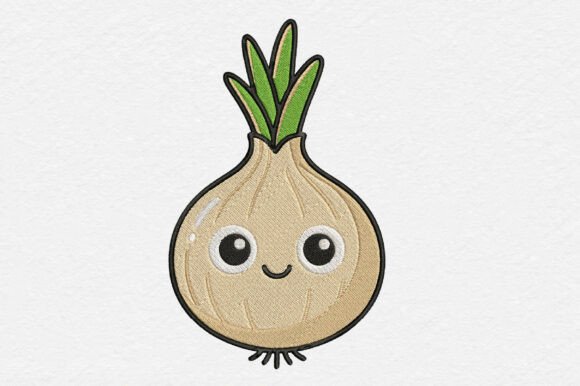
As an experienced embroidery designer who has stitched thousands of logos and custom assets for small businesses, I approach every new digital file with a critical eye. The goal is never just to make something look pretty; the goal is to ensure it functions as a viable asset for commercial production. Today, I am reviewing the Cute Onion Embroidery Design, a file described as featuring an adorable onion with a smiling face in a charming kawaii style. While the concept sounds whimsical, its true value lies in how well it translates from a screen into tangible small business merch and branded goods.
First Impressions: Visual Personality and Brand Fit
When I first load this machine embroidery design into my digitizing software, the immediate impression is one of warmth and approachability. The description highlights a "fun and playful touch," and visually, the kawaii aesthetic delivers exactly that. For a brand identity rooted in friendliness, local charm, or handmade quality, this design offers a distinct visual language. It does not scream corporate professionalism; instead, it whispers "community" and "craft."
In the realm of Food branding, specifically for bakeries, cafes, or farm-to-table markets, this onion character can serve as a delightful mascot. However, before committing to production, I always ask if the design aligns with the brand's core values. If your boutique sells high-end, minimalist linens, a smiling onion might feel out of place. But for a rustic kitchenware shop, a pet brand focusing on natural diets, or a creative studio selling fun stationery, the Cute Onion Embroidery Design fits perfectly. It adds a layer of personality that generic geometric logos often lack.
Performance in Real Business Applications
The true test of any digital embroidery file is how it performs when applied to actual merchandise. Let's break down where this specific design shines in a commercial setting.
Embroidered Patches and Apparel Accents
One of the most versatile uses for this design is as an embroidered patch. Because the onion shape is naturally rounded and self-contained, it works beautifully on denim jackets, canvas tote bags, and backpacks. For staff uniforms at a quirky cafe or a local florist, placing this design on the chest pocket or sleeve creates an instant conversation starter. It transforms a standard work shirt into a piece of custom apparel that employees are proud to wear.
I also see significant potential for cap embroidery. The compact nature of the onion face allows it to fit neatly on the front panel of a baseball cap without overwhelming the structure. This is ideal for event merch or customer gifts where you want a recognizable logo that isn't too serious.
Tote Bags and Apron Embroidery
For physical retail locations, tote bag design is crucial for walking advertising. The Cute Onion Embroidery Design stands out well on heavy cotton canvas, especially when using contrasting thread colors. Similarly, apron embroidery is a perfect application. Imagine a line of aprons for a cooking class or a bakery team, each featuring this cheerful vegetable. It reinforces the theme of fresh ingredients and culinary joy while maintaining a cohesive brand identity.
Product Packaging and Handmade Goods
Beyond clothing, this design can elevate packaging. A small embroidered label sewn onto a jar of homemade jam or attached to a gift box adds a premium, handmade product feel that printed stickers cannot replicate. This tactile element increases perceived value and encourages customers to keep the packaging, extending your brand's reach.
Strategic Considerations and Potential Pitfalls
While the design is charming, there are specific scenarios where caution is required. As a professional, I must advise against using this design in situations that demand extreme precision or severe minimalism.
Size Limitations and Stitch Density
Facial features, even simple ones like a smile and eyes, require adequate space to remain legible. If you attempt to shrink the Cute Onion Embroidery Design too much for a tiny button or a narrow cuff, the details may blur. You must check the stitch density carefully. High density in a small area can cause puckering, especially on thinner fabrics. Always review the file settings to ensure the stitch count is appropriate for your intended size.
Fabric Texture and Color Contrast
The success of this design heavily depends on the background material. On textured fabrics like thick fleece or rough burlap, the fine lines of the onion's face might get lost. Additionally, if you are embroidering on dark uniforms, the default thread colors might not provide enough contrast. You will likely need to adjust the thread colors to ensure the white or light-colored onion pops against the background. A black outline might be necessary to define the shape clearly.
Durability and Washing
If this design is used on items that undergo frequent industrial washing, such as restaurant aprons, you must ensure the stabilizer is robust enough to prevent cracking over time. The curved nature of the onion means the stitches follow arcs, which can sometimes stress the fabric more than straight lines. Proper backing is non-negotiable here.
Impact on Brand Identity and Customer Trust
Using a character-based design like the Cute Onion Embroidery Design significantly impacts how customers perceive your business. It humanizes the brand. In a market saturated with sleek, cold logos, a smiling vegetable suggests that real people made this product with care. This fosters trust and engagement, particularly for Etsy sellers and craft business owners who rely on personal connection.
However, consistency is key. Once you adopt this design as part of your design assets, it should appear across various touchpoints—your website mockups, social media photos of the finished product, and physical signage. This visual consistency builds recognition. When a customer sees the onion on a tote bag, then on a staff apron, and finally on a product tag, it creates a unified brand experience that feels established and reliable.
Practical Designer Notes for Production
Before you purchase or use this commercial embroidery file for your business, follow these essential steps to ensure a successful outcome:
- Test in Black and White: Load the embroidery file into your machine and run a test stitch using only black thread. This reveals any gaps in the satin stitches or issues with underlay that color might hide.
- Verify Hoop Size: Confirm that the design fits within your available hoop size. If it requires a larger hoop than you have, you may need to re-digitize or resize, which could compromise quality.
- Check Stabilizer Needs: Depending on the fabric texture, you may need a tear-away or cut-away stabilizer to support the weight of the stitching. Do not skip this step on stretchy materials.
- Create a Printable Mockup: Before running bulk orders, create a printable mockup or a sample on scrap fabric to show clients or stakeholders. This manages expectations regarding scale and detail.
- Review Licensing: Ensure you have the proper rights to use this design for small business merch. Check the license terms to confirm if you can sell items featuring the design or if it is restricted to personal use only.
- Compare with Other Assets: Place the onion design next to your existing logos and typography. Does it clash? Does it complement? Visual harmony is essential for a professional look.
In conclusion, the Cute Onion Embroidery Design is a powerful tool for businesses looking to inject personality into their merchandise. With careful attention to size, fabric choice, and color contrast, it can transform simple items into memorable brand experiences. Whether for a cozy bakery, a trendy boutique, or a creative studio, this design offers a unique way to connect with customers through the timeless appeal of handmade, embroidered art.