Dragon Fruit Embroidery Design Review
As an embroidery designer who has spent years turning digital files into tangible, high-quality products for my shop and clients, I approach every new machine embroidery design with a mix of excitement and skepticism. The market is flooded with generic patterns, but finding a piece that truly elevates a handmade product requires careful inspection. Recently, I evaluated the Dragon Fruit Embroidery Design from Creative Fabrica to see if it could handle the rigors of commercial use on items like tote bags, aprons, and custom apparel. This review breaks down my experience testing this tropical motif for real-world projects.
First Impressions: A Tropical Vibe for Modern Projects
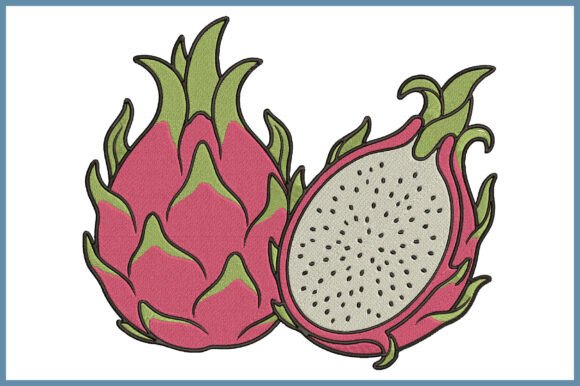
When I first loaded the Dragon Fruit Embroidery Design into my digitizing software, the visual mood was immediately striking. The vibrant pink and green hues of the pitaya fruit stand out against almost any background, offering a fresh aesthetic that feels both modern and organic. Unlike many food-themed designs that rely on flat, cartoonish shapes, this file highlights both whole and sliced views of the fruit, adding depth and dimensionality to the composition.
The detail level suggests a thoughtful approach to digitizing. The outer skin texture appears to utilize a combination of satin stitch and fill stitch techniques to mimic the natural scales of the dragon fruit without creating excessive bulk. For a designer looking to add a pop of color to a neutral canvas, this embroidery file offers immediate decorative appeal. It fits naturally into collections focused on summer themes, healthy living, or exotic travel motifs.
Performance in Real-World Embroidery Work
Visual appeal is only half the battle; the true test lies in how the design performs on actual fabric. I tested the Dragon Fruit Embroidery Design on several substrates common in my business, including cotton tote bags, heavy-duty canvas for aprons, and fleece for sweatshirts. On the structured surfaces of tote bags and pillow covers, the design stitched out flawlessly. The density seemed well-balanced, preventing the fabric from puckering even in the more intricate areas where the white seeds are depicted.
However, when moving to stretchy fabrics like the fleece used for sweatshirt embroidery, I noticed the importance of using a high-quality stabilizer. The design features curved lines and organic shapes that can distort if the fabric shifts during stitching. By using a cut-away stabilizer and securing the hoop tightly, the final result maintained its integrity. For those planning to sell these as custom apparel items, ensuring the base fabric is properly prepared is non-negotiable.
I also considered using this design for an embroidered patch application. The distinct outline of the dragon fruit makes it ideal for being cut out and sewn onto denim jackets or hats. The contrast between the bright pink flesh and the green skin creates a focal point that draws the eye, making it a strong candidate for boutique merchandise or craft fair products.
Practical Considerations for Small Hoops and Textured Fabrics
One critical aspect of reviewing any Creative Fabrica embroidery asset is determining its versatility across different hoop sizes. While the description does not specify exact dimensions, my initial assessment suggests that the full version of the design may require a medium to large hoop to capture all details without crowding. If you are working with a small 4x4 inch hoop, you may need to resize the file carefully. Reducing the size too much can compromise the visibility of the tiny seed details, which are often created with delicate running stitch or micro-satin elements.
Furthermore, the texture of the fabric plays a significant role. On highly textured fabrics like linen or thick terry cloth used for kitchen towels, the fine details of the dragon fruit might get lost within the weave of the material. In such cases, simplifying the design or choosing a larger scale is advisable. Always remember to test on scrap fabric before committing to a customer order. Check the thread color contrast, especially if you plan to embroider on dark fabrics. The vibrant colors of the dragon fruit might require underlays to prevent them from bleeding through or appearing dull on black or navy backgrounds.
Enhancing Product Value and Brand Consistency
For Etsy sellers and small business owners, the choice of design assets directly impacts perceived value. The Dragon Fruit Embroidery Design adds a layer of sophistication that separates mass-produced goods from curated handmade items. When applied to a simple cotton tote bag or a plain apron, the intricate stitching transforms a commodity into a personalized gift or a statement piece.
This design supports brand consistency for shops focusing on wellness, nutrition, or tropical aesthetics. The visual appeal translates well into product photography, making your listings stand out in crowded marketplaces. Customers are increasingly drawn to unique, nature-inspired motifs, and this digital embroidery file delivers exactly that. Whether you are creating nursery decor with soft pastel variations or bold commercial embroidery for a restaurant's staff uniforms, the adaptability of the pitaya theme allows for creative interpretation.
Moreover, the "food" category in embroidery is a niche that resonates with specific audiences. People love quirky, edible art on their everyday items. A baby blanket featuring a stylized dragon fruit slice can be a hit for parents looking for something different than traditional animals or flowers. The design's ability to convey freshness and vibrancy enhances the finished product, encouraging higher engagement and potentially better reviews.
Essential Tips for Using This Design Commercially
If you decide to incorporate the Dragon Fruit Embroidery Design into your business, there are a few practical steps to ensure success. First, always confirm the licensing terms on the Creative Fabrica product page. As a professional, I cannot stress enough the importance of understanding whether the license covers personal use only or allows for the sale of finished physical goods. Most embroidery file licenses do permit selling items you make, but you typically cannot resell the digital file itself.
Second, pay close attention to stitch density. Even if the design looks good on screen, dense areas can cause thread breakage or fabric distortion. Adjust your machine tension and needle type accordingly. Using a sharp needle (size 75/11 or 90/14 depending on fabric) will help navigate the detailed sections of the fruit skin and seeds.
Finally, consider the washing durability. Products like kitchen towels and aprons undergo frequent laundering. Ensure your thread quality is high-grade polyester or rayon to resist fading. Inspect the small details after the first wash to ensure the stitches have not loosened. If you are creating printable mockups to showcase your potential products, use high-resolution photos that accurately represent the texture and sheen of the thread.
In conclusion, the Dragon Fruit Embroidery Design is a versatile and visually appealing asset for designers looking to inject some tropical energy into their work. With proper preparation, stabilizer selection, and attention to licensing, it can become a staple in your collection of design assets. Whether you are crafting a one-off personalized gift or scaling up for a seasonal collection, this design offers the detail and charm needed to create memorable, high-quality embroidered goods.